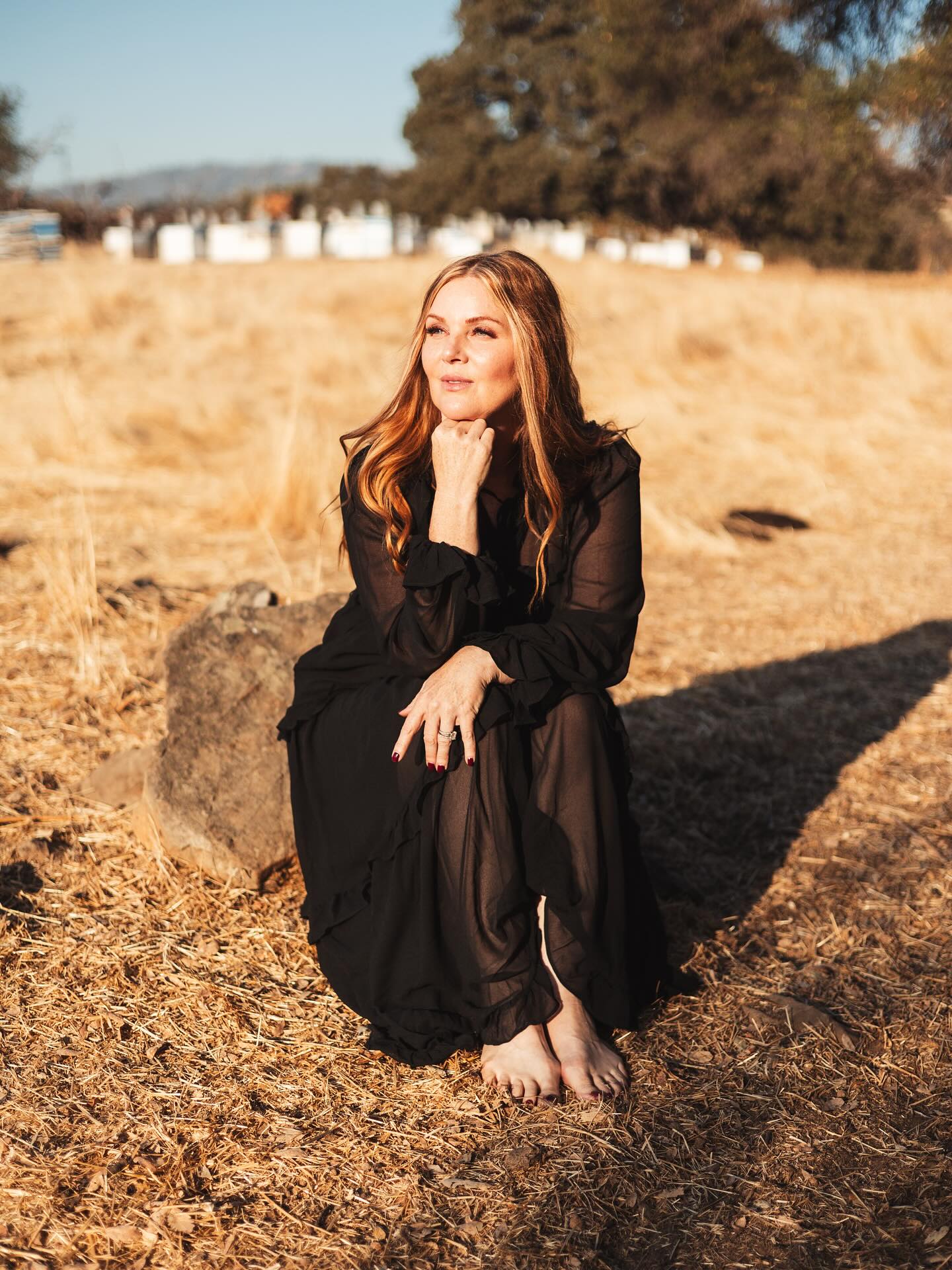
I Don't Sell Magazine Covers
There are plenty of places where you can buy your way onto a magazine cover.
Have the money. Have the platform. Write the check.
I get asked to be on covers all the time, and I know how many of those opportunities are transactional. It has never once felt right to me.
So when I built Corporate Hippie Oracle, I made a decision early.
CHO is not pay to play.
You cannot purchase a cover here. You cannot purchase a feature. There is no rate card, no tier, no package that ends with your face on the front.
I handpick them.
Why that matters more than it sounds
When a magazine sells its covers, it stops being a magazine. It becomes a billboard with better paper.
And the thing about a billboard is that it tells you exactly one thing: somebody had the budget.
That isn't information. It isn't curation. And it's certainly not a reason for you to spend your afternoon reading it.
I would rather put a spotlight on a struggling artist making extraordinary music in their bedroom than on someone who happens to have $5,000 sitting around.
I would rather find the founder who has spent years building quietly, solving a real problem, refusing to quit.
Because sometimes talent doesn't need another invoice. It needs a door.
So how does someone get in
Builders are nominated. Their peers and their followers vote.
It isn't a popularity contest and it isn't an auction. You build. You show up. You create impact. You let your people speak.
Then we celebrate the person who rises.
That process ends with the Oracle Luminary Award, and the winner takes the February 2027 cover of CHO. Not because they bought it. Because they earned the opportunity to be seen.
I'm not looking for the biggest following. I'm looking for the story. The determination. The person behind the brand, what they're building, and why.
Who made the September issue
Every September from here forward, CHO becomes our Premium Business Edition, dedicated entirely to founder-led changemakers.
This is the first one.
Lopa van der Mersch built Rasa in her kitchen and has served more than ten million cups. She also talks openly about the year she got divorced, moved into a house that burned down three months later, and got pulled into a lawsuit over a fire that wasn't her fault.
Jere and Emilee Gettle turned seventy seed varieties and five hundred catalogs into the largest heirloom seed company in the United States. Jere was seventeen when he started.
Devin Barrett and Johnny Staniszewski built FORGOTTEN for the person who has been told their labs are normal and still doesn't feel like themselves. Devin lived that for years before she built the answer to it.
Zacary Jackson is eighteen. He lost both of his parents in one night when he was eleven. He built a fashion house anyway, and named his third collection for his mother.
None of them wrote a check.
What else is inside
This issue introduces The Departure Lounge, our new travel section with Elizabeth Garrison. Elizabeth was six years old in the back of her father's Cessna when the sky learned her name. It took her until 2015 to get back to it. Some callings are remarkably patient.
Donna Valdes opens CHO-BIZ with a piece about Wall Street. Not the market. The actual wall. The Dutch built it in 1653 facing north toward the woods, because that was the direction they were afraid of. In 1664 the English sailed into the harbor and took the city without firing a shot.
The most photographed street sign in capitalism is named after a barricade that was pointed the wrong way.
She uses it to ask a question about your last twelve months that most people would rather not answer.
And I'm on the cover of this one, which took me a while. My team kept telling me this is a founder-led company and people want to hear from the founder. So I finally told the whole story. The garage sale where my father handed me three dollars and told me to go make an offer. The companies I built. The one I walked away from. The season after the pandemic when I lost myself completely and had to find my way back.
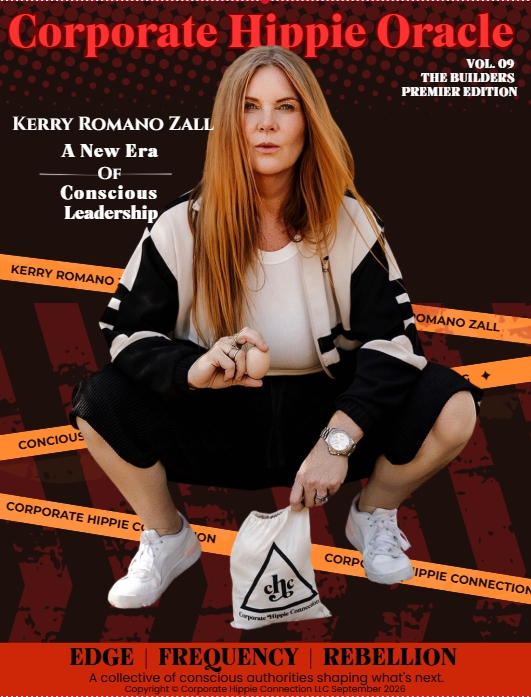
Read the September issue
118 pages. Nobody bought their way in.
Because the future doesn't belong to the biggest companies.
It belongs to the boldest Builders.